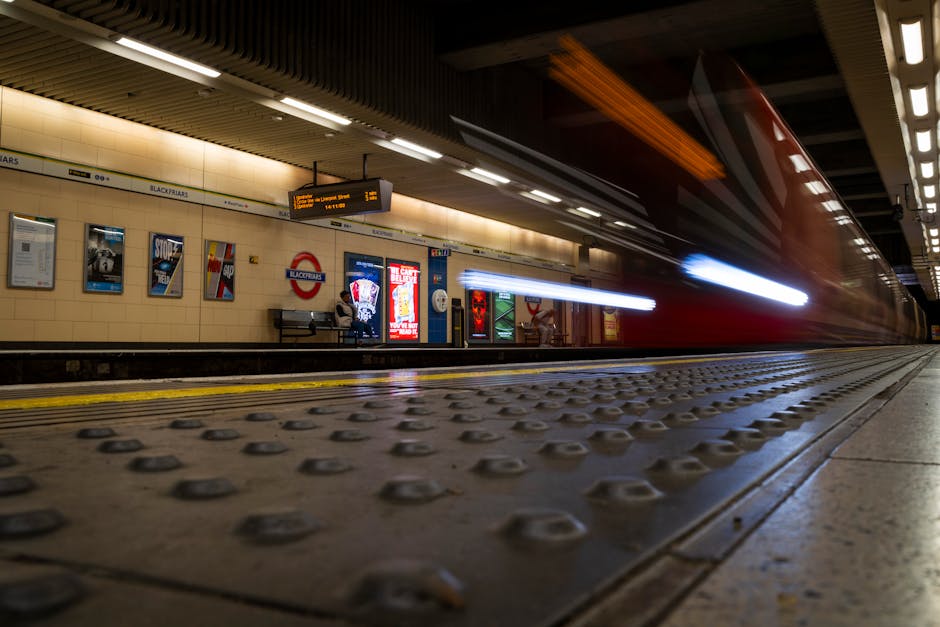
Rubbish removal near Blackfriars Station what to know
If you are trying to sort out rubbish removal near Blackfriars Station, chances are you want it gone quickly, done properly, and without turning your day into a hassle. Fair enough. Around Blackfriars, space is tight, access can be awkward, and one overflowing pile of waste can feel twice as annoying as it would elsewhere. Whether you are clearing a flat, a workspace, a loft, or a post-renovation mess, knowing what to expect saves time, money, and a fair bit of stress.
This guide walks you through what rubbish removal near Blackfriars Station what to know really means in practice: how the service works, what kinds of waste are usually collected, what to check before booking, and how to avoid the common mistakes that catch people out. It is written to help you make a sensible decision, not just a quick one.
Table of Contents
- Why rubbish removal near Blackfriars Station matters
- How the service works
- Key benefits and practical advantages
- Who this is for and when it makes sense
- Step-by-step guidance
- Expert tips for better results
- Common mistakes to avoid
- Tools, resources and recommendations
- Law, compliance, standards, or best practice
- Options, methods, or comparison table
- Case study or real-world example
- Practical checklist
- Conclusion
- Frequently asked questions
Why rubbish removal near Blackfriars Station matters
Blackfriars Station sits in one of central London's busier, less forgiving areas for waste collection. That matters more than people think. A quick clear-out is rarely just about lifting items into a truck. It is about access, timing, building rules, parking, loading, noise, and the simple reality that central streets do not always make collection easy.
If you live in a flat nearby, use an office in the area, or are dealing with builders' debris after work has finished, the "near Blackfriars Station" part changes the job. Vans may need to stop briefly, crew may need to carry items further, and waste may need to be split into sensible loads. That is normal. It just means planning matters more.
There is also the trust side of it. Rubbish removal should not be a mystery service where waste disappears and nobody knows what happened next. You should have a clear idea of what is being removed, how it is priced, and what happens to reusable or recyclable items. If that sounds basic, well, it should be. But in a busy part of London, basic things are often the first to get messy.
In our experience, the people who have the smoothest jobs are the ones who take ten minutes up front to define the waste, check access, and ask what is included. That tiny bit of prep can save a surprisingly awkward afternoon.
How rubbish removal near Blackfriars Station works
At a practical level, rubbish removal is straightforward. You tell the provider what needs clearing, they assess the volume and type of waste, and then they remove it from the property or kerbside point. But the details matter, because the details are where delays and extra charges usually hide.
Here is the usual process:
- Initial enquiry: You describe the items, rough amount, and access. Photos often help more than a long explanation.
- Quote or estimate: The provider gives a price based on volume, weight, labour, and any special handling needs.
- Collection planning: A time slot is arranged. Near Blackfriars, this may need a bit of flexibility because of traffic and parking conditions.
- On-site removal: The team loads the waste, often sorting out reusable or recyclable materials where possible.
- Responsible disposal: Items are taken to an appropriate facility, transfer station, or recycling route depending on the waste type.
That sounds simple, and mostly it is. But here is the bit people overlook: the collection is only part of the job. A good service should also be able to handle awkward stairwells, basement access, lift restrictions, and busy building entrances without making the whole thing feel like a military operation.
If you are booking a broader property clearance, you may also want to look at services such as home clearance, flat clearance, or house clearance depending on what is being removed. For office moves or workplace clear-outs, office clearance or business waste removal may be more suitable.
Key benefits and practical advantages
People usually think the main benefit is convenience. It is. But that is only the obvious one.
1. Less physical strain. Heavy furniture, broken appliances, plasterboard offcuts, and bagged rubbish all add up. A proper removal team handles the lifting, carrying, and transport. That matters more than people expect after a long day or when a staircase is narrow and awkward.
2. Faster clearance. What might take you an entire weekend can often be handled far quicker by a team that does this every day. No messing about hiring a van, finding helpers, or figuring out where everything should go.
3. Better use of space. In central London, space is premium. Clearing a back room, basement, loft, or office storage area can make a property feel usable again almost immediately. You notice it straight away. The air feels lighter, the room looks bigger, and, strangely, you stop avoiding the area.
4. More responsible handling of waste. Reputable providers separate recyclable materials where possible and dispose of items through proper channels. That is not just good practice; it is part of getting rid of waste the right way.
5. Less disruption. For businesses near Blackfriars, fast removal can reduce downtime and keep staff focused. For households, it usually means less mess in hallways, lifts, and communal areas.
If you are comparing options, you may also want to read about recycling and sustainability, because it gives a useful sense of how reusable and recyclable items should be treated as part of the process.
Who this is for and when it makes sense
This kind of service is useful for a lot more people than you might think. It is not only for end-of-tenancy clear-outs or renovation chaos.
- Flat residents dealing with bulky items, old mattresses, broken chairs, or bags of accumulated clutter.
- Landlords and letting agents who need a property cleared between occupancies.
- Office managers sorting out desks, chairs, archive waste, packaging, or redundant equipment.
- Homeowners tackling garages, lofts, spare rooms, or general household waste.
- Builders and tradespeople needing fast removal of rubble, timber, packaging, or light construction waste.
- Small businesses that have outgrown storage areas or need a one-off tidy-up.
It makes sense when waste is too much for regular bin collections, too bulky for a normal car boot, or too messy to tackle yourself without losing half the day. Truth be told, once waste starts blocking a room or hallway, waiting usually makes things worse.
For some situations, a narrower service is the better fit. A few examples: furniture clearance for bulky household items, furniture disposal when you are removing a few specific pieces, garage clearance for stored clutter, or loft clearance for those dusty, slightly mysterious spaces that everyone avoids until they have to.
Step-by-step guidance
If you want the collection to go smoothly, follow a simple process. Nothing fancy. Just the stuff that tends to work.
- Sort the waste into obvious categories. Separate furniture, bagged rubbish, cardboard, construction offcuts, and anything that may need special handling. Mixed piles slow everything down.
- Take clear photos. A few wide shots plus one close-up of the awkward items usually help a lot. If there is a basement, a lift, or a tight stairwell, include that too.
- Measure access. Check door widths, stair turns, loading restrictions, and whether there is somewhere safe to park nearby. Around Blackfriars, that can be the difference between a quick job and a frustrating one.
- Ask what is included. Does the price cover labour, lifting from upstairs, disposal, and any parking challenges? If not, ask now rather than later.
- Confirm what cannot be taken. Some materials need special arrangements. Do not assume everything can go in one load.
- Prepare the area. Move smaller valuables, free up a clear route, and keep pets or children away while the team is working.
- Check the final outcome. Before the team leaves, glance through the cleared area and confirm that nothing has been missed.
A small note here: if you are clearing a whole property, house clearance and home clearance can be especially useful because they are designed to handle broader, mixed loads rather than just one category of item.
Expert summary: the best rubbish removal jobs near Blackfriars Station are the ones that are planned like a small logistics exercise, not a last-minute panic. Measure access, describe the waste clearly, and ask direct questions about price and disposal.
Expert tips for better results
Here are the small, practical things that make a genuine difference.
Keep bulky items separate from loose waste. It makes pricing clearer and loading faster. A pile of loose bags mixed with a dismantled wardrobe is not ideal. The team will manage it, sure, but it is better not to make them play waste Tetris if you can avoid it.
Be honest about what you have. If there is more waste than you first thought, say so. Surprises on the day usually lead to delays or revised pricing. Nobody likes awkward surprises at 8:30 in the morning.
Book with access in mind. Near Blackfriars, timing can matter more than distance. Traffic, deliveries, office activity, and pedestrian flow all play a part. A slightly later or earlier slot may be the difference between smooth and stressful.
Think about reuse before disposal. If furniture, fixtures, or office items still have life left in them, ask whether they can be diverted from disposal. That is often better for the environment and sometimes better for your budget too.
Check payment and security expectations in advance. A trustworthy provider should be clear about how payment works and when it is due. If that information is hard to find, that is a small warning sign worth noticing. You can review practical details on payment and security before booking.
Use the right service for the job. Builders' waste, office equipment, and household clutter are not always the same thing. If you are dealing with a refurb, builders waste clearance is usually the more appropriate route.
Common mistakes to avoid
Most problems with rubbish removal are not dramatic. They are small mistakes that pile up.
Leaving access checks until the day of collection. This is a classic. The team arrives, then realises the lift is too small, parking is restricted, or the load is split across multiple floors. It can still be solved, but not elegantly.
Forgetting about restricted items. Some waste needs special handling. If you are unsure, ask before booking. Do not assume because something is "just rubbish" that it is fine in any load.
Choosing only on price. Cheap is not always cheap if the quote does not include labour, disposal, or access considerations. A clear, fair quote is usually better than a vague bargain.
Mixing clean recyclable material with general waste. It often makes the job less efficient and can reduce recycling opportunities. A quick sort beforehand helps.
Not checking the provider's policies. Service terms, complaints handling, and safety expectations matter. They tell you how the business works when things do not go perfectly, which, let's face it, is the real test. You can view the company's terms and conditions, complaints procedure, and health and safety policy for a clearer sense of how a professional operation is structured.
Tools, resources and recommendations
You do not need a lot of specialist equipment to prepare for rubbish removal, but a few simple tools help more than people think.
- Phone camera: good photos save time and improve quotes.
- Measuring tape: useful for stairwells, doors, and large items.
- Marker pens or labels: handy if you are separating items to keep, donate, or remove.
- Heavy-duty gloves: useful if you are moving items before collection.
- Bin bags or rubble sacks: good for loose waste, packaging, and smaller clean-up material.
For more specialised jobs, it can help to compare the service type with the waste you actually have. If the waste is mostly domestic clutter, flat clearance may be the best fit. If it is mostly furniture, then furniture removal or disposal pages are more relevant. If it is storage overflow, a garage clearance or loft clearance tends to be more focused and efficient.
You may also want to check the provider's approach to insurance and safety, especially for jobs involving shared corridors, stairs, or heavier items. A good service should be able to explain how it handles the risks without sounding evasive. That usually says a lot.
For business users, it is worth reviewing business waste removal alongside office clearance so you can match the service to the type of site you are managing. Small distinction, big difference.
Law, compliance, standards, or best practice
Rubbish removal is not just a matter of lifting things into a van. In the UK, waste handling carries real responsibility. The exact legal duties can vary depending on the waste type, but the broad principle is simple: waste should be collected, transported, and disposed of properly by people who know what they are doing.
From a customer's point of view, best practice usually means checking that the provider is transparent about disposal routes, clear about what they can and cannot take, and careful with access and safety on site. That is especially relevant in central London, where shared buildings and busy pavements make sloppy work more noticeable.
If you are a business, there is an added expectation that waste is handled in a way that does not disrupt operations or create avoidable safety risks. If you are a resident, you mainly want reassurance that items are not being dumped irresponsibly or handled in a way that could cause problems later. Either way, the standard should be the same: clear communication, responsible disposal, and sensible handling.
It is also sensible to ask about recycling and sustainability. Not every item can be reused or recycled, but a well-run operation should be able to explain how it sorts mixed loads and where it aims to divert material from disposal. You do not need a lecture. Just clarity.
Options, methods, or comparison table
Not every clear-out needs the same approach. Here is a simple comparison to help you match the method to the job.
| Option | Best for | Advantages | Possible drawbacks |
|---|---|---|---|
| One-off rubbish removal | Mixed waste, bags, small furniture, general clutter | Quick, flexible, good for urgent jobs | May cost more than doing it yourself for very small loads |
| Furniture clearance | Sofas, wardrobes, beds, tables, chairs | Efficient for bulky household items | Less useful if you have mixed waste as well |
| Builders' waste clearance | Rubble, timber, packaging, renovation debris | Better suited to post-work mess | May need clearer item breakdown in advance |
| Flat or house clearance | Whole rooms or whole properties | Handles larger and more varied loads | Needs more preparation and a clearer brief |
| Office clearance | Desks, chairs, office clutter, equipment | Useful for workplaces and move-outs | May involve access or scheduling constraints |
The right option depends on the shape of your waste, not just how much of it there is. A single heavy item can sometimes be more awkward than a pile of lighter bags. Strange, but true.
Case study or real-world example
Imagine a small managed flat near Blackfriars Station where a tenant has moved out and left behind a mix of items: a mattress, a broken coffee table, several bags of household waste, and a few boxes of packaging. The hallway is narrow, the building has shared access, and there is no obvious place to stack waste safely for long.
The smoothest version of this job usually starts with photos and a short description. The provider can then decide whether it is better treated as a flat clearance or as a smaller mixed rubbish removal job. On the day, the team arrives with the right expectation, takes the items out carefully, avoids blocking the corridor, and loads everything in one go. The resident or landlord gets the space back the same day, and the building is not left looking like a temporary storage unit.
Now compare that with a rushed booking where the customer says, "It's only a few things." Then the team arrives and finds a full room, two flights of stairs, and some awkward building rules. The job still gets done, but everyone has a worse morning. Small miscommunication. Big annoyance.
That is why the job description matters so much. Accuracy up front usually pays for itself in fewer delays and cleaner outcomes.
Practical checklist
Use this checklist before booking rubbish removal near Blackfriars Station.
- Have I listed the main items that need removing?
- Have I included photos or rough measurements?
- Do I know whether the waste is general, bulky, construction-related, or mixed?
- Have I checked access, stairs, lifts, and parking restrictions?
- Do I understand what the quote includes?
- Have I asked about any items that need special handling?
- Do I know whether the provider prioritises reuse and recycling where possible?
- Have I looked at the service terms and safety expectations?
- Am I clear on the collection time and likely duration?
- Have I cleared the route so the team can work safely?
If you can tick most of those off, you are already ahead of the game. Really.
Conclusion
Rubbish removal near Blackfriars Station is one of those services that looks simple until you are the one coordinating access, timing, and waste type in a busy part of London. Once you understand the basics, though, it becomes much easier to manage well. The key is to be clear about what needs removing, realistic about access, and selective about who you trust to handle the job.
For homeowners, landlords, office teams, and anyone dealing with clutter or bulky waste, the smartest move is usually the same: plan a little, ask a few good questions, and choose the service that actually fits the waste in front of you. That approach saves time, keeps things tidy, and avoids the usual last-minute scramble.
If you are ready to clear the space and want a straightforward next step, start with a proper estimate and a service that matches your exact needs.
Get a free quote today and see how much you can save.
And once the clutter is gone, you really do feel it. The room opens up. The air changes. Small win, but a real one.
Frequently Asked Questions
What should I know before booking rubbish removal near Blackfriars Station?
You should know what type of waste you have, how much space it takes, and whether access is straightforward. Near Blackfriars, parking and building access can matter as much as the waste itself.
How do I prepare for a rubbish removal collection?
Take photos, separate bulky items from loose waste, check access routes, and move anything you want to keep. A little prep makes the collection quicker and usually keeps the quote cleaner.
Can rubbish removal handle mixed household waste?
Yes, in many cases it can. Mixed waste is common, especially in flats and houses. Just be clear about what is included so the provider can plan the right load.
Is furniture included in rubbish removal?
It often is, but sometimes furniture is better handled through a dedicated furniture clearance or furniture disposal service, especially if there are several large items.
What if I need office rubbish removed near Blackfriars?
Office waste is often better handled through office clearance or business waste removal, particularly if you are clearing desks, chairs, records, or workplace equipment.
How do I know if my waste needs special handling?
If you are unsure, ask before booking. Some materials are treated differently because of safety, weight, or disposal requirements. It is always better to check than guess.
Will the team remove waste from upstairs flats?
Usually yes, but access conditions can affect timing and price. Stairs, lifts, and narrow corridors are common in central London, so it helps to mention them early.
What is the difference between rubbish removal and house clearance?
Rubbish removal is usually more flexible for mixed waste and smaller jobs, while house clearance is better for larger, more complete property clear-outs. The right choice depends on the scale of the job.
Can I get same-day rubbish removal near Blackfriars Station?
Sometimes, yes. Availability depends on the day, access, and how much waste you need removed. Same-day jobs are often easier when the waste is clearly described in advance.
What should I ask before accepting a quote?
Ask what is included, whether labour and disposal are covered, how access affects the price, and whether the provider has clear terms and safety procedures. Those questions are simple, but they save trouble later.
Is recycling part of the service?
It should be considered wherever practical. Good providers try to separate recyclable or reusable items rather than sending everything down the same disposal route.
What if I only have one or two bulky items?
Then a smaller furniture or item-specific collection may be enough. You do not need to book a huge clear-out for a single sofa, a mattress, or a few awkward pieces.
Why is rubbish removal around Blackfriars sometimes more complicated?
Because central London is busy. Access, loading space, timing, and building restrictions can all affect the job. None of that is unusual, but it does need a bit of planning.
Where can I find more about the company and its policies?
You can review the company background on about us, and if you want to understand how the business handles site behaviour, safety, and service expectations, the policy pages are helpful too.