Garden Clearance in Blackfriars

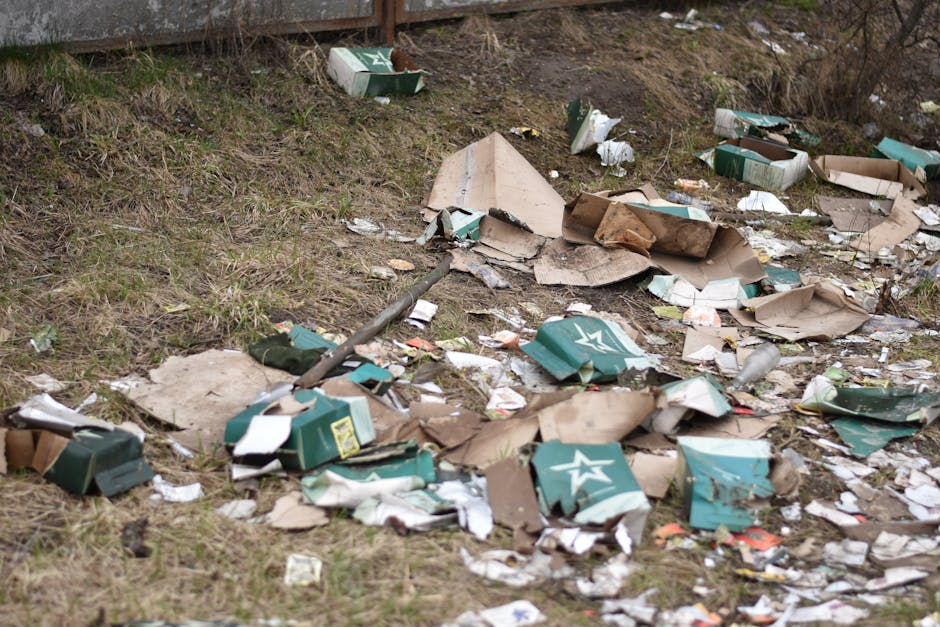
Garden clearance in Blackfriars is a practical way to regain control of outdoor space when shrubs, soil waste, broken fixtures, cuttings and general green waste begin to build up. Our service focuses on clearing away unwanted garden materials carefully, so paths, patios, beds and hardstanding areas can be brought back into easier use. Whether you are dealing with an overgrown courtyard, a compact city garden or a neglected rear space, the work is organised to suit the site and the type of waste involved.
We handle garden clearance tasks with attention to separation, lifting and disposal, so reusable or recyclable materials can be treated differently from mixed waste where appropriate. That can include branches, hedge trimmings, leaves, old pots, damaged fencing sections, turf, plant matter and other garden debris. Our aim is simple: to leave the area ready for whatever comes next, whether that is routine maintenance, landscaping or a fresh layout.
For a straightforward request, you can tell us what needs clearing and how access works, then we can discuss the most suitable way to carry out the job and provide a quotation.
What our Blackfriars garden clearance covers
Garden clearance often involves more than loading a few bags. It may include removing dense cuttings from borders, lifting material from behind sheds, collecting soil or rubble mixed with green waste, and dealing with awkward items that have become part of the garden over time. We plan the work around what is actually present, rather than treating every clearance as the same. That helps keep the process tidy and avoids unnecessary disruption to surrounding surfaces and planting.
Where a garden has been left for a while, the job can also involve sensible sorting at the point of collection. Heavier waste, green waste and manufactured items may need separate handling, especially if the clearance contains broken planters, timber, old hose, trellis, metal fittings or damaged garden furniture. This approach supports a cleaner finish and can make the next stage of garden care much easier to start. If you want to compare options, our pricing and quotes page gives a useful starting point before you ask for a tailored figure.
Common examples of clearance work include:
- overgrown shrubs, hedge cuttings and prunings
- leaf fall, weeds and general seasonal build-up
- old compost, turf and small amounts of garden soil
- broken pots, plant containers and cracked edging
- timber offcuts, stakes, fencing sections and garden fixtures
Green waste and mixed materials
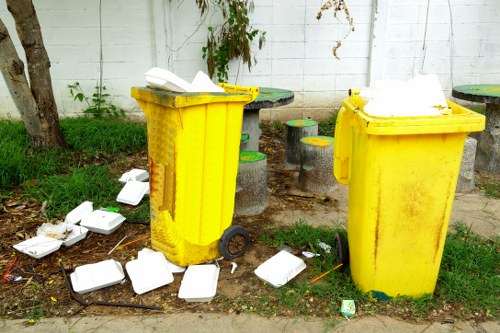
Not every garden clearance contains the same balance of materials. Some sites are almost entirely green waste, while others include a mixture of natural waste and household items that have been stored outside. We work with that variety in mind. Green waste is commonly lighter and more compactable, but mixed waste can require more time to sort and load because it is less uniform. Treating the waste properly from the outset supports a better overall finish and helps avoid clutter being left behind.
When mixed materials are present, it is useful to separate what can be grouped together and what needs distinct handling. For example, branches and cuttings may be gathered apart from soil-heavy bags or broken plastic planters, while old garden décor or rusted fittings may need another category. This is one reason clear descriptions help when arranging a quotation. You do not need a perfect inventory, but a plain account of the waste type, approximate volume and access makes it easier to plan the work well.
If your garden clearance also includes bulky items, you may prefer to see the related indoor and furniture pages too, such as furniture clearance and furniture disposal, where the same careful approach to item handling applies in a different setting. That can be helpful when outdoor and indoor clearances are being arranged together rather than separately.
Access, loading and tidy working
Blackfriars properties can present practical access considerations, particularly where gardens are enclosed, reached through shared passages or located behind upper-floor homes and commercial buildings. A good clearance plan takes those details seriously. Narrow side routes, steep steps, basement lightwells and tight doorways all affect how waste is carried out. We keep the process orderly by working methodically, protecting surrounding areas where sensible and making sure the load-out route remains as clear as possible.
In situations where access is awkward, the amount of hand carrying may be greater than the amount of physical waste itself suggests. That is one reason it helps to mention gates, stairs, rear entrances, shared access points or parking limits when asking for a quotation. A clear description lets us judge whether the job is best handled as a straightforward clearance or as a more involved manual removal. If you want to understand the company side of things, about us provides a general overview of who we are and how we work.
Good clearance work is not only about removing items; it is also about leaving the place neat enough for the owner or gardener to use straight away. That means attention to corners, edges and overlooked piles, especially where material has spread into beds, behind bins or along fence lines. Small details often make the biggest difference to the final result.
For overgrown gardens, courtyards and rear spaces
Some gardens need straightforward waste removal after routine pruning, while others need a more comprehensive clear-out because growth has become dense or the space has not been maintained for a while. We can deal with both situations. In an overgrown setting, the first stage is usually to identify what is plant growth, what is loose debris and what might need careful lifting because it is partly hidden. That avoids rushed removal and helps preserve anything that is meant to stay in place.
Courtyards and compact outdoor areas benefit from a measured approach because there may be limited turning space, delicate paving or shared boundaries nearby. We work in a way that respects those constraints and aims to keep the surrounding property clean. Where a clearance forms part of a larger tidy-up, it can sometimes be useful to combine it with garden clearance or broader waste removal planning, depending on whether the waste is mostly green material or a wider mix.
For customers deciding whether to start with a small section or the full garden, it often helps to think in terms of what is currently blocking use. If the main issue is a pile of prunings, a patch of weeds or a stack of old items stored outdoors, clearance may be enough to restore order. If the space has long-standing build-up, the work may be better approached in stages so the result is more manageable and easier to maintain afterwards.
Quotation factors for garden clearance

Garden clearance quotations are usually shaped by a few practical factors rather than by guesswork. The type of waste matters, because green waste, soil, timber and mixed rubbish may each take a different amount of handling. Volume matters too, since a few bulky items can take up more space than a loose pile that appears smaller. Access, loading distance and the level of sorting required also influence the overall scope of the work. A well-prepared quotation should reflect those details clearly.
If you are preparing an enquiry, a short written description is often enough to begin with. Photographs can help where the waste is spread out or partially hidden, and approximate dimensions are useful when there is a large pile or several separate areas. You do not need to stage the garden before asking; simple information about what is there, where it is and how the area is reached is usually the most helpful starting point. For payment and security information, the relevant page is payment and security.
The best quotation is one that matches the real work, not an average estimate for an unrelated job. That is why the description should mention whether the clearance is light seasonal waste, a mixed outdoor clean-up or a fuller project involving bulky items and more difficult access. If you already know that the garden will need a wider refresh, we can discuss the most practical order for the tasks before anything is booked.
Clearance for outdoor items and old fixtures
Garden spaces often collect more than organic waste. Over time they can accumulate old furniture, broken storage, unwanted planters, dismantled features and fixtures that are no longer safe or useful. Our clearance service can include many of these items as part of the same visit, provided they are listed clearly at the outset. That is particularly helpful when the garden is being emptied before replanting, repair or a redesign, because the entire space can be approached in one coordinated plan.
Where outdoor items are partly deteriorated, careful handling matters. Timbers may splinter, metal fittings may be rusted and plastic pieces may crumble during removal, so it is better to treat them as part of a managed clearance rather than a hurried lift-and-go task. If your job also includes structures or solid debris from building work, builders waste clearance may be relevant alongside the garden work. This is especially true where paving, timber offcuts or renovation remnants have ended up outdoors.
We also help customers who want a clearer split between general outdoor rubbish and specific item removal. In those cases, combining the garden work with garage clearance or home clearance may make sense when the same project covers different parts of the property. That keeps the scope organised without needing separate, overlapping visits for every area.
About Blackfriars
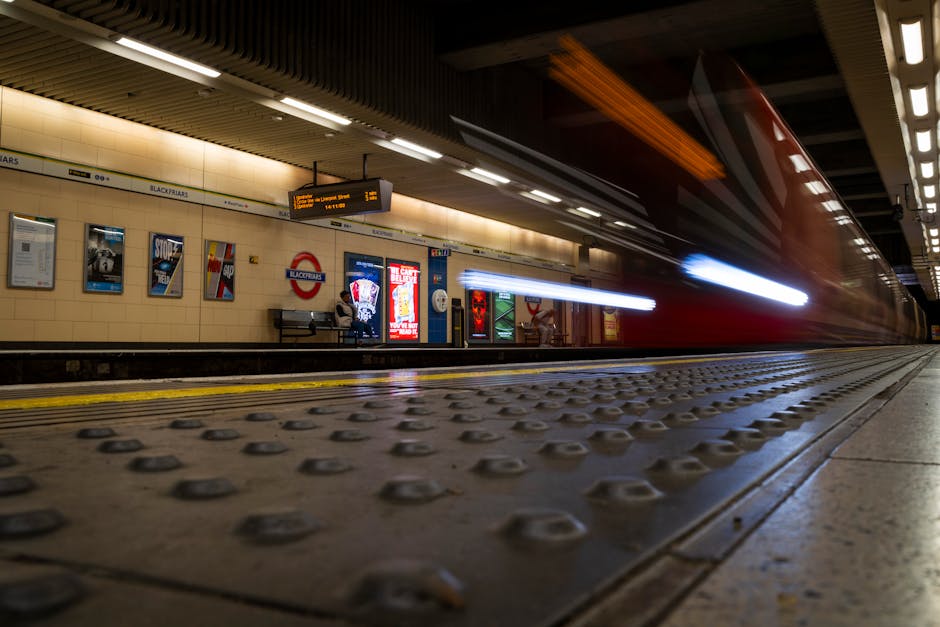
Blackfriars sits on the north bank of the River Thames in central London, between the City of London and the wider South Bank area across the river. The district takes its name from the Dominican friary established there in the 13th century, and the history of the area is still visible in its name and in the layered character of nearby streets. Today Blackfriars is known for its busy river crossing, its rail and Underground connections, and its position close to the commercial core of the City, making it a place where older historic traces sit alongside modern offices and transport infrastructure. Blackfriars Bridge and Blackfriars Railway Bridge are prominent features of the riverscape, while the station itself has long been an important point of movement through central London. The river frontage gives the area a strong sense of orientation, with views toward St Paul’s Cathedral and the changing skyline of the Square Mile. Nearby, the Thames Path links the district to embankments, bridges and riverside walks, creating a route that mixes daily movement with views of some of London’s best-known landmarks. The surrounding streets reflect centuries of development, from ecclesiastical origins and legal-administrative associations to later commercial growth and redevelopment. Although Blackfriars is compact, its setting places it within easy reach of theatres, galleries, offices and historic routes that help define central London’s character. The result is a neighbourhood with a distinct identity: civic, connected and closely tied to the river, while still carrying the imprint of its medieval and early modern past.
When planning a garden clearance, it can help to know that this area’s built environment often includes terraces, converted buildings and tightly arranged plots rather than large suburban gardens. That means outdoor spaces may be shaped by walls, levels, yards or courtyards rather than open lawns, and the surrounding streets can feel especially enclosed and historic. The local landscape is therefore a mix of movement and stillness: major transport routes nearby, but also pockets of private outdoor space tucked behind frontages and within blocks. Those contrasts are part of what makes Blackfriars distinctive within central London.
Recycling and responsible disposal
Garden clearance is not only about removing material from the site; it also benefits from sensible downstream handling. Green waste, timber, metals and mixed refuse are not all the same, so sorting them properly can support more responsible disposal where facilities allow. We pay attention to how waste is grouped because it affects whether items can be treated as garden material, mixed waste or recyclable material. That practical distinction is often useful to customers who want the clearance handled in an orderly way.
The same careful thinking applies when a garden contains soil, turf or compost that has become too heavy or contaminated to leave in ordinary bags. These materials can be awkward to move and may require different handling from branches or leaves. Separating heavy and light waste early in the job helps keep the work efficient and avoids overfilling loads in a way that makes collection more difficult. For wider information about the business approach to responsible handling, see recycling and sustainability.
If you are sorting through multiple outdoor piles, it can be useful to decide what is definitely staying, what is going and what may need a second look. That simple step reduces confusion once the clearance begins. It also helps us shape the job around the actual waste stream, which is better for both tidiness and planning.
Choosing the right level of clearance

Some customers want a light seasonal clearance, while others need a fuller tidy-up that removes accumulated debris and mixed outdoor items. Choosing the right level of work starts with an honest look at the space. If the garden mainly needs cuttings and leaf waste removed, the task can stay focused. If the area contains broken equipment, old fixtures and built-up clutter as well, a broader clearance may be more suitable. Our role is to match the service to the condition of the garden rather than forcing it into a fixed package.
When the work is spread across more than one part of a property, it can be useful to combine the garden with other spaces only where that genuinely makes sense. For example, some customers pair outdoor work with flat clearance, house clearance or loft clearance if the project includes a wider declutter. Others prefer to keep the garden separate so the scope stays clear and the quotation remains easy to compare.
Request a quotation when you are ready, and we will use the information you provide to discuss the most suitable way to clear your garden in Blackfriars. A short description of the waste, access and overall size is enough to begin.
Practical preparation and enquiry details
Before a garden clearance, it helps to think about access in simple terms. Is the waste easy to reach, or does it sit behind locked gates, through communal areas or down steps? Are there any items that should be left alone, such as planters in use or garden features you intend to keep? A clear answer to those questions improves the accuracy of the quotation and reduces the chance of confusion on the day. That said, the information does not need to be exhaustive.
One concise message with a few practical points is usually enough. A photograph, where available, can show the layout of the space, while a brief note can explain whether the work is mostly green waste, mixed waste or a combination of both. If you are comparing services, you may also wish to look at office clearance or business waste removal when the outdoor space forms part of a wider property project rather than an isolated garden job. The right page depends on what is actually being cleared.
After that, the next step is simply to confirm what needs removing and arrange a suitable quotation. We keep the process focused on the details that matter: what is present, how much of it there is and how it can be collected safely.