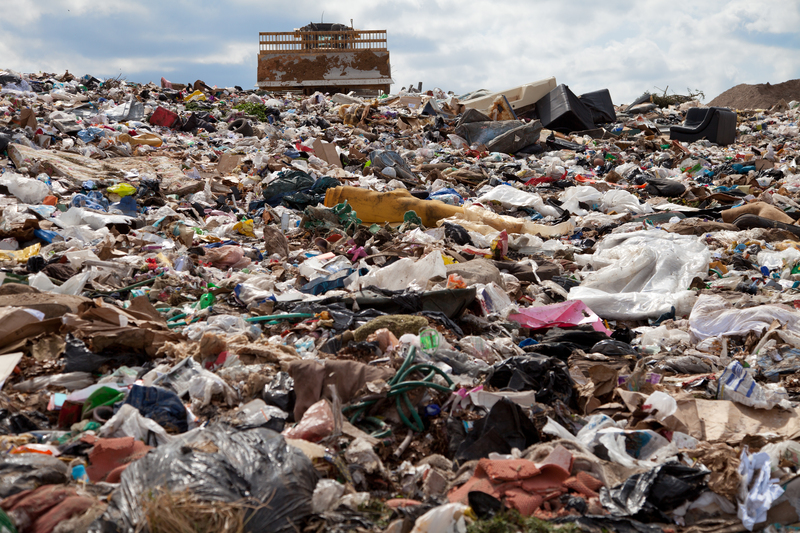
Your Ultimate Guide to Responsible Packaging and Cardboard Disposal

Introduction
Cardboard is everywhere: the thud of a parcel on your doorstep, the steady rustle as you unbox stock in your warehouse, the satisfying rip of tape when an order is packed. Yet for many homes and businesses, the story ends with a messy pile of boxes and a nagging question--what now? Welcome to Your Ultimate Guide to Responsible Packaging and Cardboard Disposal, a practical, expert-led roadmap to help you reduce waste, cut costs, and stay compliant while doing the right thing for the planet.
Let's face it: packaging is the handshake between you and your customer. When you get it right--choosing the right materials, optimising box sizes, and recycling cardboard properly--you not only reduce your environmental impact, you save money, simplify operations, and build trust. In our experience working with retailers, e-commerce teams, facilities managers, and homeowners, a few smart changes can halve waste, tidy your space, and make recycling feel easy rather than a chore.
Below, you'll find a complete, human, and UK-focused playbook for sustainable packaging and cardboard recycling. We'll cover benefits, step-by-step processes, legal responsibilities, tools and resources, and real-world examples--everything you need to confidently master responsible packaging and cardboard disposal.
- Why This Topic Matters
- Key Benefits
- Step-by-Step Guidance
- Expert Tips
- Common Mistakes to Avoid
- Case Study or Real-World Example
- Tools, Resources & Recommendations
- Law, Compliance or Industry Standards (UK-focused)
- Checklist
- Conclusion with CTA
- FAQ
Why This Topic Matters
Packaging is essential for protection, presentation, and logistics, but it also represents a significant share of our waste stream. In the UK, millions of tonnes of packaging are placed on the market annually, with paper and cardboard making up the largest share by weight. While the UK has relatively strong recycling rates for paper and cardboard (commonly reported above 70%), the margin between "good" and "great" is won in the details: clean, dry, segregated cardboard; pack designs that avoid unnecessary laminates; and operations that prevent contamination.
From a business standpoint, packaging isn't just a sustainability topic--it's a cost and compliance issue. Cardboard waste can clog aisles, fill bins before collection day, and increase labour time. Poorly specified packaging drives shipping air, damaged goods, and returns. On the compliance side, Extended Producer Responsibility (EPR) for packaging is reshaping how UK organisations report and pay for packaging placed on the market, adding urgency to get your packaging and disposal systems right.
There's also a human element. We've seen teams slog through busy Mondays, wading past a wall of unflattened boxes, the faint, damp smell of last night's rain coming off soggy cardboard. Small changes--like a wall-mounted cutter, clear signage, and a baler--can turn chaos into a calm, safe routine. That calm matters. It saves time. It keeps people safe. And truth be told, it makes everyone's day a little easier.
Key Benefits
Making packaging more responsible and managing cardboard disposal well delivers positive outcomes across your business and home life:
- Lower costs: Right-sizing packaging, reusing cartons, and baling cardboard reduce material and collection costs. Many companies see 10-30% savings.
- Operational efficiency: Flattened boxes, clear streams, and predictable collections reduce clutter and speed up workflows.
- Fewer damages and returns: Better-specified packaging protects goods, cuts breakages, and reduces reverse logistics headaches.
- Regulatory compliance: Structured data, clean segregation, and proper documentation make EPR and Duty of Care easier to manage.
- Space optimisation: Baling and compacting turn bulky boxes into tidy, dense bales--freeing up valuable floor space.
- Brand reputation: Customers notice recyclable packaging, minimal filler, and clear disposal instructions--especially in the UK, where sustainability expectations are high.
- Lower carbon footprint: Less material, fewer lorry miles, and higher recycling rates reduce emissions across the value chain.
- Happier teams: A clean, safe, well-organised packing area reduces stress and lifting risks.
One client told us that after switching to right-sized cartons and baling waste, the end-of-day soundtrack changed from the frantic crumple of boxes to the neat clunk of a baler cycle and a satisfied sigh. Small detail, big difference.
Step-by-Step Guidance
Here's the practical, hands-on path we recommend in Your Ultimate Guide to Responsible Packaging and Cardboard Disposal. Whether you're kitting out an e-commerce warehouse in Manchester, running a cafe in Brighton, or decluttering after a house move in Glasgow, the steps remain broadly the same.
1) Audit what you use and what you bin
- Map the flow: From goods-in to dispatch to returns, note where packaging enters and exits. Track volumes weekly for at least two cycles.
- Identify hotspots: Where do cardboard piles up? Where does contamination happen (e.g., break rooms, chilled areas)?
- Measure materials: Record carton sizes, board grades (e.g., single wall, double wall), filler types (paper, air pillows), tapes, and labels.
- Weigh waste: If you can, weigh your cardboard stream for a typical week; note moisture levels and contamination.
Micro moment: A warehouse lead in Leeds told us he discovered Friday afternoons produced twice the cardboard of any other time. By scheduling a baler slot at 3pm, the weekend shift started clean and calm.
2) Reduce first: right-size, right-spec
- Right-sizing: Use box-size algorithms or manual matrixes to match products to optimal carton sizes. Aim to reduce void fill.
- Board grade: Don't over-spec. A lighter FSC-certified single-wall with good design can outperform a heavier box with poor fit.
- Design for recyclability: Avoid plastic windows and heavy laminates. Keep inks minimal and water-based where possible.
- Tape smarter: Reinforced paper tape is strong and fully recyclable in UK mills; use only as much as needed.
Tip: Ship products, not air. High void fill is a red flag. Customers notice oversized boxes--so do carriers charging volumetric weight.
3) Choose responsible materials
- Recycled content: Many corrugated cartons offer 60-90% recycled content. Specify this in purchasing.
- Chain of custody: Look for FSC or PEFC certification for sustainably managed fibre sources.
- Clear labelling: Use OPRL guidance for consumer-facing packets; for B2B, simple "Recycle - Keep Dry & Clean" messaging works.
- Plastic-light: If you must use films, choose mono-material PE or PP and label clearly for recycling where collections allow.
4) Set up clean segregation
- Dedicated bins: Provide clearly labelled, dry, covered bins for cardboard. Keep them away from food prep or damp areas.
- Flatten at source: Train staff to flatten boxes immediately. Consider a wall-mounted safety cutter.
- Keep it dry: Moisture ruins fibre quality. Store flattened cardboard indoors or under cover; never in the rain.
- Remove heavy contamination: Pull out plastic straps, polystyrene, and foil. Light tapes and labels are acceptable in most mills, but keep them minimal.
Small scene: On a drizzly London morning, you can smell the damp on uncollected cardboard. Don't leave it outside. A tarpaulin or indoor staging area preserves quality--and value.
5) Compact or bale for efficiency
- Baler selection: Choose a size matched to your volume. Even a small vertical baler can reduce storage volume by up to 90%.
- Training: Provide operator training and signage. Follow the manufacturer's safety checks before each cycle.
- Rebates: In higher-volume settings, clean cardboard bales can attract rebates from recyclers--especially if you meet BS EN 643 grade expectations.
6) Book reliable collections
- Licensed carriers: Use a carrier with an upper tier waste carrier licence and provide Waste Transfer Notes (WTNs) for each movement.
- Schedule smartly: Align pickups with your peak waste days to avoid overflow or soggy stockpiles.
- Track data: Ask your collector for weights and destinations. This supports EPR reporting and sustainability metrics.
7) Record, report, and improve
- KPIs: Track cardboard recycling rate, bale weights, contamination incidents, and cost per order shipped.
- Feedback loop: Review damages/returns and packaging complaints monthly; tweak specifications and sizes.
- Seasonality: Pre-plan for peak season (e.g., Black Friday). Extra cages, cutters, and collections pay for themselves in calm.
8) For households
- Flatten boxes: Remove heavy tape and polystyrene; leave light labels in place.
- Keep dry: Store indoors until collection day; rain degrades fibre and may lead to rejection.
- Overflow: If you've just moved and have mountains of cardboard, book a council bulky waste slot or a licensed collector who recycles.
Reassurance: You don't need to be perfect. If you focus on clean, dry, and flat, you're already ahead.
Expert Tips
- Design to the waste stream: Avoid mixed-material packaging. A simple mono-material corrugated pack is the recycling gold standard.
- Test performance: Use ISTA or equivalent transit tests before switching to lighter grades; you'll protect goods and your reputation.
- Right-size on the fly: Box sizers or adjustable cartons can reduce SKUs and filler dramatically.
- Use paper tape sparingly: One clean strip beats layers of cross-hatched tape. Mills can handle it; your team will work faster.
- Moisture control: In chilled or coastal sites, consider covered staging racks and desiccant where ingress is common.
- Lean layouts: Put cutters, tapes, and recycling bins where hands naturally reach; the ergonomics pay back daily.
- Label for clarity: A friendly sign reading "Cardboard: Clean, Dry, Flat. Thank you!" works wonders--even more with a simple icon.
- Bale density matters: Denser, well-tied bales often fetch better rebates and streamline handling.
- Engage your team: Celebrate small wins, like a record bale weight or zero-contamination week. People respond to recognition.
- Plan for peaks: Temporary cage storage or an extra collection round during seasonal spikes keeps your operation flowing.
In our experience, a two-minute toolbox talk at shift change about "clean, dry, flat" reduces contamination more than any policy document.
Common Mistakes to Avoid
- Leaving cardboard outside: Rain or dew can render it unrecyclable. Keep it covered or indoors.
- Over-taping: Excess tape wastes time and material. One central strip is usually enough.
- Mixing waste streams: Cardboard in general waste costs double--lost value plus higher disposal fees.
- Ignoring board specification: Over-spec wastes money; under-spec risks returns. Test and tune.
- Food contamination: Grease and food residue (think pizza boxes) can be problematic. Tear off clean sections if possible.
- Not training staff: People want to do the right thing--give them simple rules and easy tools.
- No documentation: Without WTNs, you fail Duty of Care. Keep them safe and searchable.
- Missing EPR data: If you place packaging on the UK market, you may have reporting duties. Don't leave it to the last minute.
Truth be told, most "recycling failures" aren't malicious--they're the result of unclear bins and rainy days. Fix the setup, and behaviour follows.
Case Study or Real-World Example
River & Oak Home (anonymised London e-commerce retailer)
Challenge: Rapid growth left their East London warehouse swimming in cardboard--supplier cartons in, customer orders out. Boxes were stacked by fire doors, void fill was inconsistent, and weekly waste costs kept creeping up. Staff joked the place sounded like a concert of crumpling paper at 5pm.
Actions:
- Audit: Mapped packaging SKUs and waste flows; identified 12 redundant carton sizes and high void-fill usage.
- Right-size & spec: Consolidated to 6 cartons with better fit; shifted to FSC-certified corrugate with 70% recycled content.
- Process: Installed a small vertical baler; set "clean, dry, flat" rules with wall signage; switched to reinforced paper tape.
- Collections & data: Set twice-weekly cardboard collections and tracked bale weights; captured EPR data fields.
Results over 6 months:
- 27% reduction in corrugated spend due to right-sizing and better purchasing.
- 52% less void fill used, improving unboxing and reducing returns from crushed packages.
- Waste cost down 31% thanks to baled collections and fewer overflows.
- Team satisfaction up: The 5pm crush turned into a quick, calm baler run; aisles stayed clear.
One packer told us, "You can hear yourself think now. No teetering towers of boxes, no last-minute panic."
Tools, Resources & Recommendations
To make responsible packaging and cardboard disposal effortless, these tools, resources, and practices are worth your shortlist.
Operational tools
- Box sizers or multi-depth cartons: Reduce SKU count and void fill.
- Vertical baler: From small-footprint units to mid-sized models, match capacity to your weekly cardboard tonnage.
- Carton shredders: Convert supplier boxes into protective paper void fill for reuse.
- Moisture control: Pallet covers, tarpaulins, and sheltered staging to keep cardboard dry.
- Signage & cutters: Wall-mounted safety cutters, clear labels for "Cardboard Only - Clean, Dry, Flat."
Digital tools
- Packaging configurators: Software to right-size boxes to product catalogues.
- Inventory/ERP integration: Pull packaging usage straight from orders for accurate EPR reporting.
- Waste tracking apps: Log weights, bales, and contamination; export Waste Transfer Notes as PDFs.
Material specifications
- FSC/PEFC-certified corrugate: Ensures responsible fibre sourcing.
- Water-based inks and glues: Better for recycling and air quality.
- Paper tapes: Strong, recyclable, and often easier to apply consistently.
Trusted guidance
- WRAP & Recycle Now: UK-focused advice and behaviour-change resources.
- OPRL: Clear labelling guidance for consumer packaging.
- DEFRA & Environment Agency: Official updates on EPR, Duty of Care, and waste carrier licensing.
- BS EN 643: Standard grades for paper and board for recycling--useful for baled quality.
- ISO 18601 series: Packaging and the environment standards for design and evaluation.
Recommendation: Pair a simple baler with weekly weight logging and you'll have the data you need for EPR and continuous improvement--all while keeping the shop floor tidy.
Law, Compliance or Industry Standards (UK-focused if applicable)
Responsible packaging and cardboard disposal in the UK sits within a defined legal framework. Here's what to know and what to do.
1) Duty of Care (Environmental Protection Act 1990)
- What it means: You're responsible for your waste until final disposal or recovery.
- Do this: Segregate cardboard cleanly, use licensed carriers, and complete Waste Transfer Notes (WTNs) for every movement. Keep records for at least two years.
2) Extended Producer Responsibility (EPR) for Packaging
- Who's in scope: UK producers placing packaging on the market (including brand owners, importers, and distributers). Thresholds differentiate "small" and "large" producers by turnover and packaging tonnage.
- Reporting: Mandatory data reporting for in-scope producers began in 2023. Fees for household packaging are expected under phased implementation; check current timelines on official channels.
- Action: Track packaging by material, format, and destination. Your cardboard reduction and recycling performance can lower costs over time.
3) Packaging (Essential Requirements) Regulations
- Design obligations: Packaging must be minimised, safe, and recoverable (reusable, recyclable, or energy recoverable) without toxic components.
- Action: Document your design rationale, recycled content, and recyclability. Choose mono-material designs where possible.
4) Plastic Packaging Tax (if you use plastics)
- Scope: Applies to plastic packaging with less than 30% recycled content (introduced 2022). Not cardboard, but relevant for packs combining plastics.
- Action: Increase recycled content or reduce plastic usage where feasible.
5) Waste carrier licensing
- Requirement: Any collector transporting your waste must hold a valid waste carrier licence. Ask for proof and keep it on file.
6) Standards worth knowing
- BS EN 643: Grading for paper and board for recycling--aim for clean, dry bales with minimal contamination.
- ISO 18601-18606: Packaging and the environment--principles for optimisation and recovery.
- FSC/PEFC: Chain-of-custody certification for responsibly sourced fibre.
Note: Regulations evolve. Always check the latest guidance from DEFRA and the Environment Agency, especially regarding EPR data requirements and fee timelines.
Checklist
Use this quick checklist to put Smart Ways to Handle Packaging and Cardboard Disposal into action.
- Audit packaging SKUs, waste volumes, and contamination hotspots.
- Right-size carton ranges; reduce void fill; set board specs.
- Choose FSC/PEFC-certified corrugated with high recycled content.
- Design for recyclability; avoid mixed-material laminates.
- Install clear "Cardboard Only - Clean, Dry, Flat" signage.
- Flatten boxes at source; store indoors or under cover.
- Use a baler or compactor sized to your volumes.
- Book licensed carriers; issue and store Waste Transfer Notes.
- Collect and review data for EPR and performance KPIs.
- Train teams; refresh during peak seasons.
- Continuously improve based on returns, damages, and customer feedback.
Conclusion with CTA
Responsible packaging and cardboard disposal is more than a tidy-up job--it's a smart business strategy and a practical climate action rolled into one. When you right-size cartons, keep cardboard clean and dry, and set up reliable collections, you cut costs, reduce clutter, and boost brand trust. And in a UK market moving towards fuller producer responsibility, you'll be ahead of the curve.
In our experience, you'll notice the change the first week: clearer aisles, fewer complaints, and a sense of calm as the baler pings and the day winds down without the mess. Whether you're shipping a hundred parcels a day or clearing out after a house move, you can do this--step by step, simply and confidently.
Get a free quote today and see how much you can save.
Here's to cleaner storerooms, happier teams, and packaging that genuinely makes people feel good about choosing you.
FAQ
Can I recycle cardboard with tape and labels still attached?
Yes--light amounts of tape and labels are generally acceptable at UK paper mills and MRFs. Remove heavy plastic strapping, large label sheets, and polystyrene inserts, and always keep the cardboard clean and dry for best results.
Are pizza boxes or food-soiled cartons recyclable?
Grease and food contamination are a problem for paper recycling. If the lid is clean, tear it off and recycle that part; the greasy base should go in general waste or food waste (if your local service accepts compostable fibres).
What's the best way to store cardboard before collection?
Flatten boxes, keep them indoors or under cover, and off the floor if there's a risk of damp. Use cages, stillages, or tie flattened stacks with string. For higher volumes, baling is the most space-efficient and valuable option.
Do I need a waste transfer note for cardboard collections?
For businesses, yes. A Waste Transfer Note (or a season ticket covering multiple collections) is required for each movement of non-hazardous waste. Keep records for at least two years to satisfy Duty of Care.
How do EPR rules affect my packaging choices?
EPR requires in-scope UK producers to report packaging data and, under phased implementation, pay fees reflecting recyclability and end-of-life outcomes. Designing packaging that is recyclable and minimised can reduce costs over time and simplify reporting.
Should I switch to paper tape?
Paper tape (often reinforced) is strong, user-friendly, and recyclable with cardboard, making it a solid choice. Apply a single clean strip where possible; over-taping wastes time and material.
Is baling cardboard worth it for a small site?
If you generate a few wheelie bins of cardboard daily or weekly, a small vertical baler often pays back quickly via reduced collections and potential rebates. Ask for a site survey to match machine size to your volumes.
Can I compost corrugated cardboard at home?
Plain brown corrugated cardboard can be composted in small quantities if shredded and mixed with greens, but recycling is usually the better environmental choice because it keeps fibre in circulation.
What about waxed or heavily laminated cardboard?
Waxed, foil-lined, or plastic-laminated boards are typically not accepted in paper recycling. Check with your local authority or waste contractor; if in doubt, avoid these materials in your packaging choices.
How do I handle large volumes after a house move?
Flatten everything, keep it dry, and use your kerbside collection over several weeks or book a one-off collection with a licensed carrier. Many carriers will prioritise reuse if boxes are in good condition--ask when you book.
Do UK mills accept coloured or printed cardboard?
Yes, most printed corrugated board is fine. Heavily glossy or laminated finishes can be problematic. Choose water-based inks and avoid plastic laminates for the best recycling outcomes.
Is shredded cardboard good for packing void fill?
Absolutely. A carton shredder can turn supplier boxes into protective paper void fill, cutting your purchase of new fillers and keeping a closed loop on-site.
How do I ensure our waste collector is compliant?
Ask for a copy of their waste carrier licence, check the registration number on the Environment Agency's public register, and ensure you receive Waste Transfer Notes with accurate EWC codes (e.g., 15 01 01 for paper and cardboard).
What's the simplest rule staff should remember?
Clean. Dry. Flat. If your team does those three things with cardboard, you'll drastically improve recycling quality, reduce costs, and keep the workspace safe and tidy.
Do I need to remove all staples from cardboard?
No--small metal staples are typically removed during the pulping process. Focus on removing bulky contaminants like plastic strapping and polystyrene.
How often should our business schedule collections?
Match collections to your peak waste days. Many sites do well with weekly or twice-weekly pickups; increase frequency during seasonal peaks to avoid overflow and moisture risks.
Can I get money back for clean cardboard?
In higher volumes with baled, clean cardboard that meets market grades (e.g., BS EN 643), recyclers may offer rebates. Rates vary by market conditions and bale quality--ask your collector for current pricing.
Are OPRL labels relevant for B2B packaging?
They're most visible on consumer packs, but clear recycling messages help in B2B too. For shipping cartons, simple instructions like "Recycle - Keep Dry & Clean" are usually enough.
Will right-sizing increase damages?
Not if done properly. Pair right-sized boxes with appropriate board grades and minimal, strategic void fill. Lab testing (e.g., ISTA) can verify performance before full rollout.
Can wet cardboard ever be recycled?
Once wet, fibre strength drops and mills may reject it. If it does get wet, dry it thoroughly before collection, but prevention is best--always store under cover.